
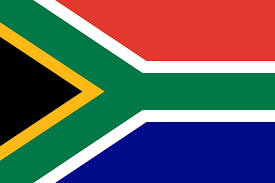
 South Africa
About South Africa
South Africa is sitting on a southern tip of Africa with a population of more than 60 million people. South Africa’s capital city is Pretoria also known as Jacaranda City. The country is made up of a diverse nation speaking 11 official languages, hence it has acquired a nickname "rainbow nation”. There is a growing number of international students pursuing their academic studies in South Africa. In the year 2022, more than 40 000 international students are enrolled at South African academic institutions. Besides its world-class universities, diverse culture, natural beauty and friendly nation, international students prefer to study in South Africa due to its affordable tuition and living expenses.
Education in South Africa is relatively affordable. English is a medium of instruction at the South African universities since it is one of the country’s eleven official languages. South African government has invested a lot of funds in education ensuring that the country's academic institutions are on par with global education standards.
South Africa’s tertiary education system is the most extensive and highest quality on the African continent. The higher education system in South Africa gives students more options in terms of the type of higher education institutions to study at; for example students can study at the traditional universities, universities of technology or comprehensive universities. The Education in South Africa is one of the priority areas, that is why the government is spending 20 percent of its budget on education, or 6.4 percent of gross domestic product (GDP) (considerably more than many other emerging market economies). The academic calendar in South Africa starts in early February and goes to late November. Two semesters are typical with school vacation beginning early June to mid-July. Most Bachelor degree programs require three years of study, although an extra year to complete a research thesis is also available. Entry requirements in South Africa vary from university to university.

As one of the countries offering best tertiary education in Africa, South Africa is still regarded as one of the affordable countries to study in.
For instance, international students can pay between R 28,950 and R 108,200 on tuition per annum for a bachelor’s degree course or post-graduate diplomas at our partner universities.
Accommodation and living expenses.
Our partner universities offer on campus as well as off campus accommodation. Student can pay between R 3,500 and R 16,500 per month on accommodation depending on the city and student’s life style.
When coming to food and transport and electricity, a student can spend (if student cooks at home) approximately R 2,500 per month.
The overall amount can go up or down based on student’s lifestyle and spending habits. Most of the off-campus accommodation are within a walking distance from the universities.
The South African currency is called rand (ZAR or R). At the time this information was published 1 US Dollar equals R 15,12 South African Rand.
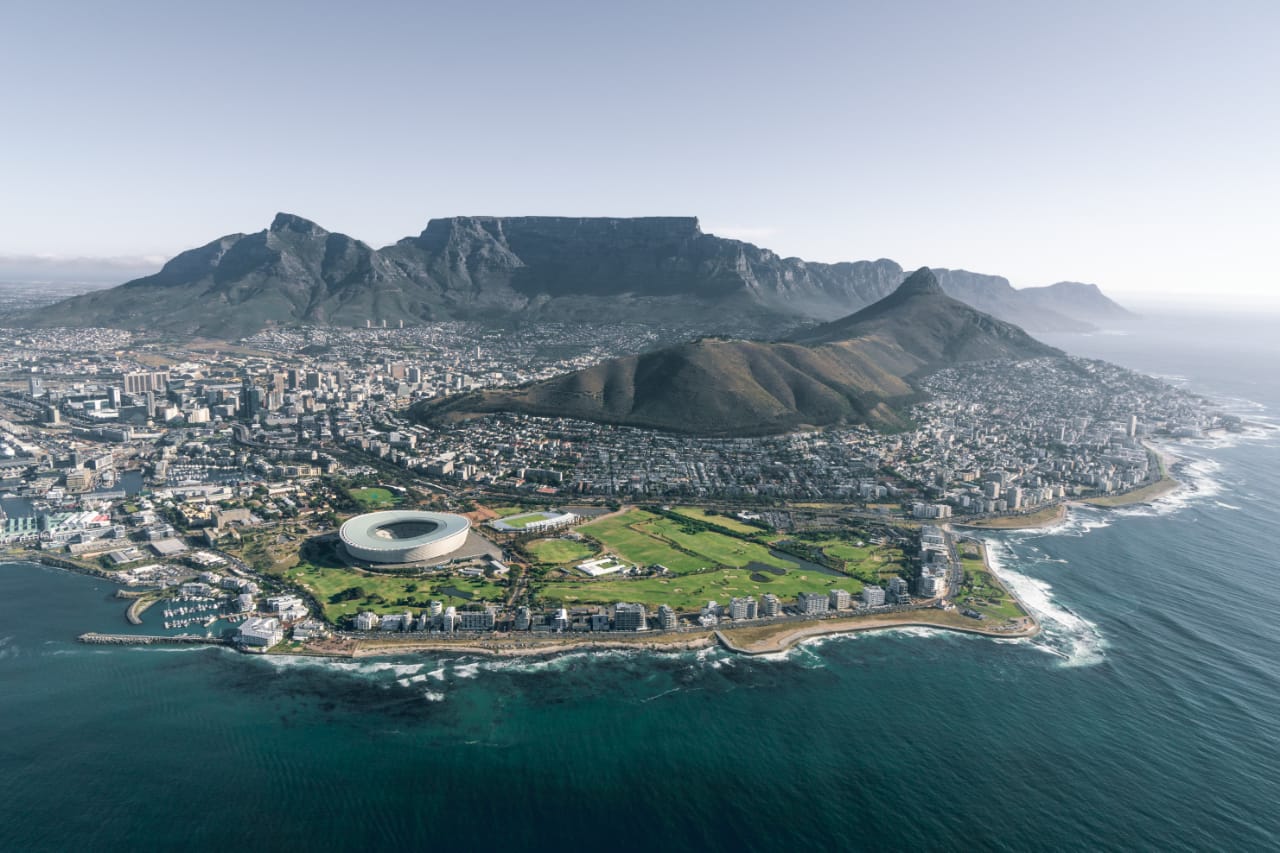
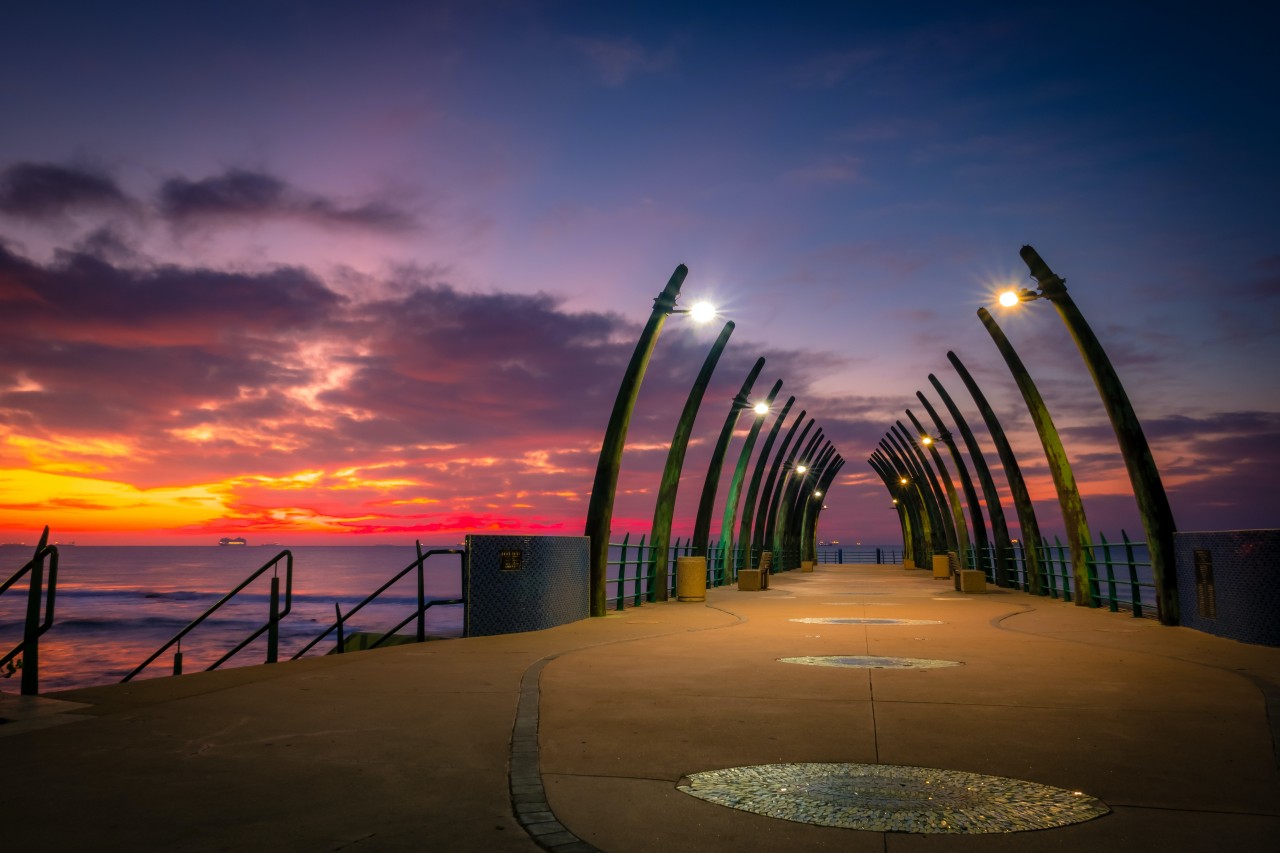
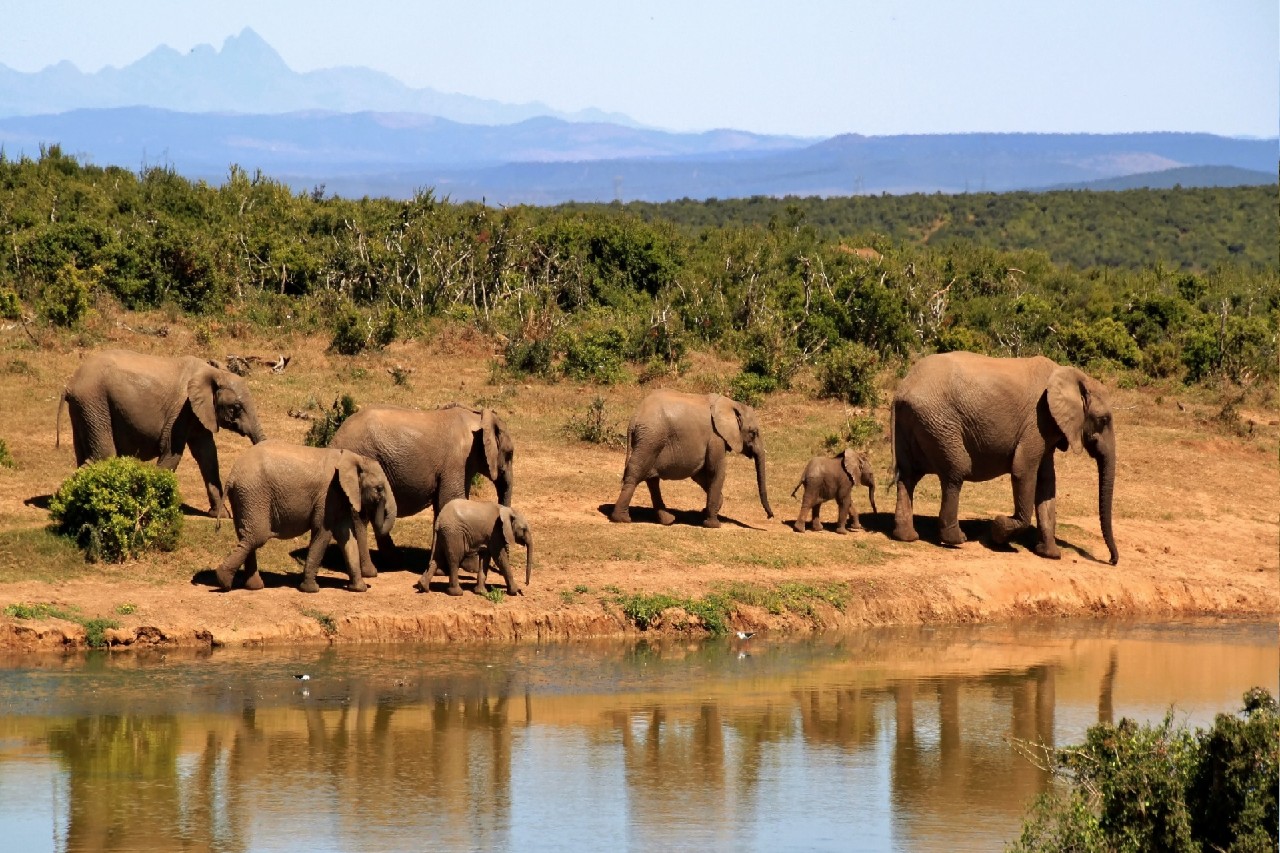
South Africa is renowned for its varied topography, great natural beauty, and cultural diversity. The country is bursting with wonderful wildlife, beautiful beaches and lush winelands, for more information about South Africa visit this link Tourism South Africa

Like in most countries, international students are required to apply for and obtain a student visa in order to study in South Africa. Students can apply for student/study visa at the South African High Commission, Embassy, Consulate or Trade Mission in their country of residence or nearest country that provides the required service. The student visa application process can take up-to six weeks, therefore students are advised to apply as early as possible, soon after receiving university ad mission letter and other supporting documents for study visa application.
Supporting documents for student visa
Other documents that may be required
- Yellow Fever vaccination certificate
- Relevant certificates if married, widowed, divorced or separated
Funds that may be required
- A cash deposit or a return ticket to country of origin (repatriation guarantee)
For more details on study/student visa click on this link: http://www.vfsglobal.com/dha/southafrica/
For the VFS helpline, please contact VFS on: info.dhasa@vfshelpline.com
Please note:
While we are updating this information to the best of our knowledge, requirements for studying in South Africa are subject to change and each application is treated as an individual case. Always make inquiries before traveling to South Africa.
The holder of a study visa for studies at a higher education institution may conduct part- time work for a period not exceeding 20 hours per week for as long as the study visa is valid.